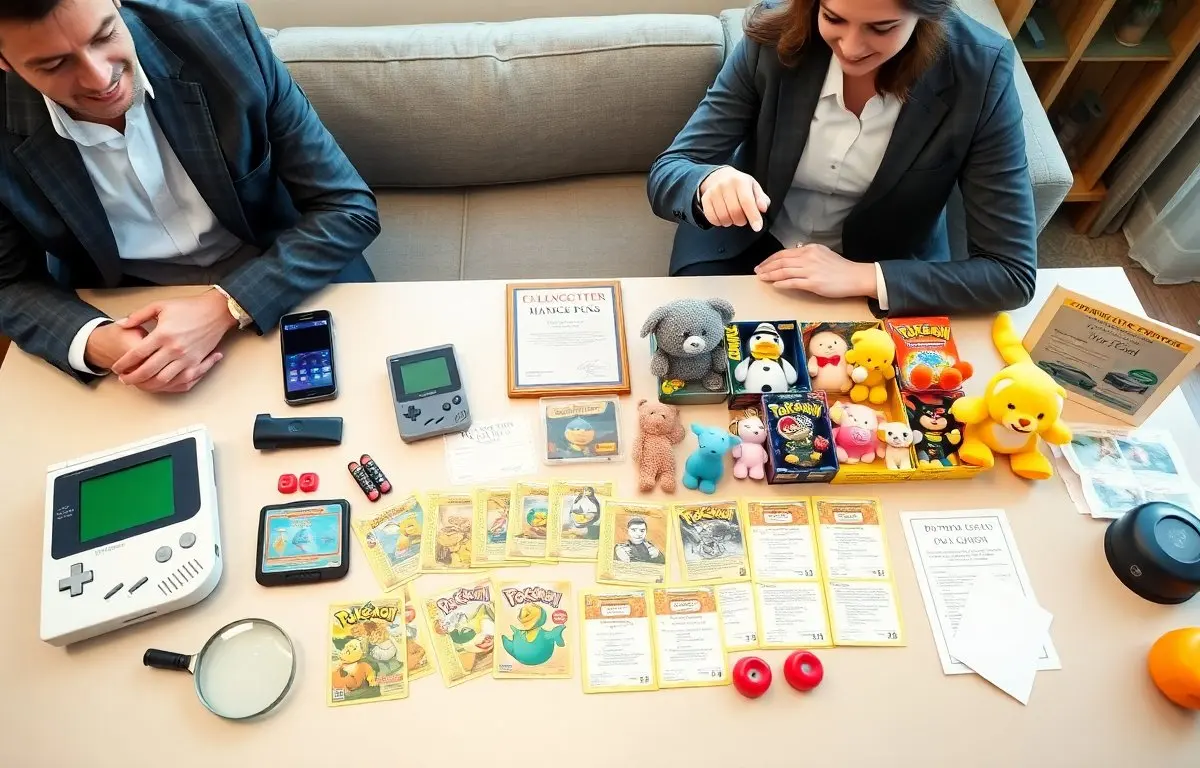
90s nostalgia toys return as collectors and parents hunt originals. This guide lists key items, explains why they matter, and shows where to buy them. It gives simple checks to spot fakes and clear advice on pricing. Readers get gift ideas for adults and kids. The text uses direct phrases and clear steps to make decisions fast. Throughout, practical tips and realistic expectations help readers navigate condition, provenance, and current market behavior for 90s nostalgia toys so they can buy, sell, or gift with confidence.
Key Takeaways
- 90s nostalgia toys are resurging as collectors and parents seek originals and reissues for emotional and shared play value.
- Iconic 90s toys like Tamagotchi, Game Boy, and Pokémon cards combined technology and social interaction, shaping lasting habits and culture.
- Authentic 90s nostalgia toys can be found through auctions, vintage toy stores, online marketplaces, collector groups, and local sales with careful verification.
- Spotting fakes requires inspecting tags, seams, electronics, and condition grading to ensure value when buying 90s nostalgia toys.
- Pricing depends on condition, rarity, and provenance; researching completed sales and consulting experts helps buyers make informed offers.
- Gifting 90s nostalgia toys succeeds by matching recipient interests, choosing high-quality items, including care guides, and ensuring safe packaging.
Why 90s Toys Are Making A Comeback
Collectors remember 90s nostalgia toys for design and emotional value. Adults seek the toys to relive safe memories. Parents buy the toys to share play with kids. Brands reissue items to meet demand. Media and social posts fuel interest. Supply falls behind demand for many originals. Investors treat rare toys as small assets. Sellers note that condition drives price. Museums and pop culture shows spotlight 90s toys and boost interest.
Digging deeper, several converging factors explain the comeback. The millennial generation is now in its peak spending years and often wants tangible reminders of childhood; social media platforms amplify unboxing and restoration content that makes old toys feel fresh again. Technological nostalgia—early digital pets, simple handheld consoles, and hybrid electronic/toy designs—resonates in an era of rapid gadget turnover. Educational and family-play trends also push parents to reintroduce tactile play to kids raised on screens, so reissues and well-preserved originals serve both sentimental and practical roles. Finally, the collector community has matured: better documentation, dedicated grading services, and online forums reduce some uncertainty around authenticity and pricing, encouraging more active trading of 90s nostalgia toys.
10 Iconic 90s Toys And What Made Them Special
This list groups digital and tactile hits. Each entry names the toy and a short reason it stood out.
Digital And Electronic Favorites: Tamagotchi, Game Boy, Furby And More
Tamagotchi taught care and timing. Game Boy offered portable gaming and long battery life. Furby used sensors and quirky speech. Virtual pets and handheld consoles made play personal. Each item mixed tech and personality. Innovations felt new and kept users engaged. The toys led to peer culture and shared tips at school. They shaped habits that feel familiar today.
Adding specifics on why these items endure: Tamagotchi introduced low-stakes caregiving mechanics that translated well into modern app habits; early Game Boy cartridges promoted shared experiences and trading of tips for high scores or secret codes; Furby and similar smart toys blurred the line between toy and interactive companion, creating unpredictable, memorable moments. These characteristics make many 90s nostalgia toys appealing to adults who want to recapture those interactions or to parents who appreciate toys that encourage attention, responsibility, or cooperative play.
Collectibles And Playground Classics: Beanie Babies, Pogs, Pokémon Cards
Beanie Babies introduced scarcity and tags as value signals. Pogs created quick competitive play with simple rules. Pokémon cards combined collecting with gameplay and local trades. These items made social scenes and after-school markets. Limited editions and rare prints triggered high resale interest. The toys encouraged kids to learn value, trade, and strategize.
Beyond nostalgia, these collectible systems taught secondary skills: inventory awareness, condition sensitivity (knowing that mint packaging mattered), negotiation when trading, and an early introduction to rarity as a value driver. For modern collectors of 90s nostalgia toys, that means provenance matters—original sales receipts, sealed packs, and event-stamped items can change a piece’s desirability. Even modest pieces from the era can be meaningful if they connect to a particular memory, event, or limited run.
Where To Find Authentic 90s Toys Today (Online And Offline)
Buy authentic 90s nostalgia toys at auctions, specialty shops, and online marketplaces. Check reputable auction houses for verified lots. Use dedicated vintage toy stores for inspected stock. Search established marketplaces with seller ratings and return policies. Join collector groups and forums to find private sales. Visit flea markets and estate sales for local finds. Ask sellers for clear photos of tags, serials, and packaging. Pay attention to shipping and insurance on fragile items.
Practical strategies help narrow searches and reduce risk. When using online marketplaces, filter by completed listings to see what similar items actually sold for rather than asking prices. In vintage shops and flea markets, carry a pocket magnifier and a checklist (tag condition, stitching, electronic function, battery compartment corrosion, original packaging) so you can make quick, consistent judgments. For higher-value 90s nostalgia toys, request provenance like original receipts, certificates, or photos from the original owner. Build relationships with a few trustworthy sellers and local dealers—repeat business often yields early access to newly consigned items.
How To Spot Fakes, Assess Condition, And Know What To Pay
Inspect seams, tags, and electronics to spot fake 90s nostalgia toys. Compare details to factory photos from trusted references. Test batteries and screens for handheld devices. Check for odors, stains, and repairs on plush items. Grade condition as mint, near mint, good, or fair. Demand drops sharply with loose parts or missing packaging. Use completed sales on marketplaces to set price benchmarks. Factor restoration, rarity, and provenance into offers. If uncertain, ask a trusted grader or join a valuation group.
Actionable checks: look for manufacturer marks, date codes, and proper font/label placements; verify serial numbers or SKU layouts against multiple reference photos; inspect solder joints and circuit boards if possible on electronic toys—poor repair work is a red flag. For soft goods, examine stitching patterns, tag placement, and material fiber consistency; old adhesives or inconsistent fading can indicate restoration. When valuing an item, create a simple matrix: base price from completed sales, add for original box/insert, subtract for functional issues, and adjust for rarity. Always factor in buyer’s premium, shipping, and potential restoration costs when making offers. For valuable pieces, professional grading or third-party authentication can protect both buyer and seller and often increases resale confidence.
How To Gift 90s Toys: Ideas For Adult Fans And New Young Collectors
Choose gifts that match the recipient’s interest in 90s nostalgia toys. For adults, pick well-preserved originals or high-quality reissues. Include a note that explains why the item mattered in the 90s. For new young collectors, choose durable starter sets and one guidebook on care. Bundle cards or small collectibles with storage supplies. Prefer sellers that offer returns and authentication for higher-value gifts. Wrap items safely and add a simple care card that lists cleaning tips, battery notes, and storage advice.
Gift ideas and presentation tips: for the sentimental adult fan, consider a display-ready piece—mint-in-box or professionally framed cards—that can be shown rather than played with; for an adult who wants to re-experience play, a tested and cleaned working unit with fresh batteries and a short how-to note is ideal. For kids, assemble a starter pack that pairs a robust toy with extras: spare batteries, a soft-case for handheld consoles, archival sleeves and binders for cards, and a brief, age-appropriate guide on keeping items safe. Include a small history blurb to explain the item’s place in 90s culture and a recommended local or online community where the recipient can learn more. Finally, for shipping gifts, use rigid boxes, acid-free tissue for paper collectibles, and stabilization for electronic parts to avoid damage in transit.