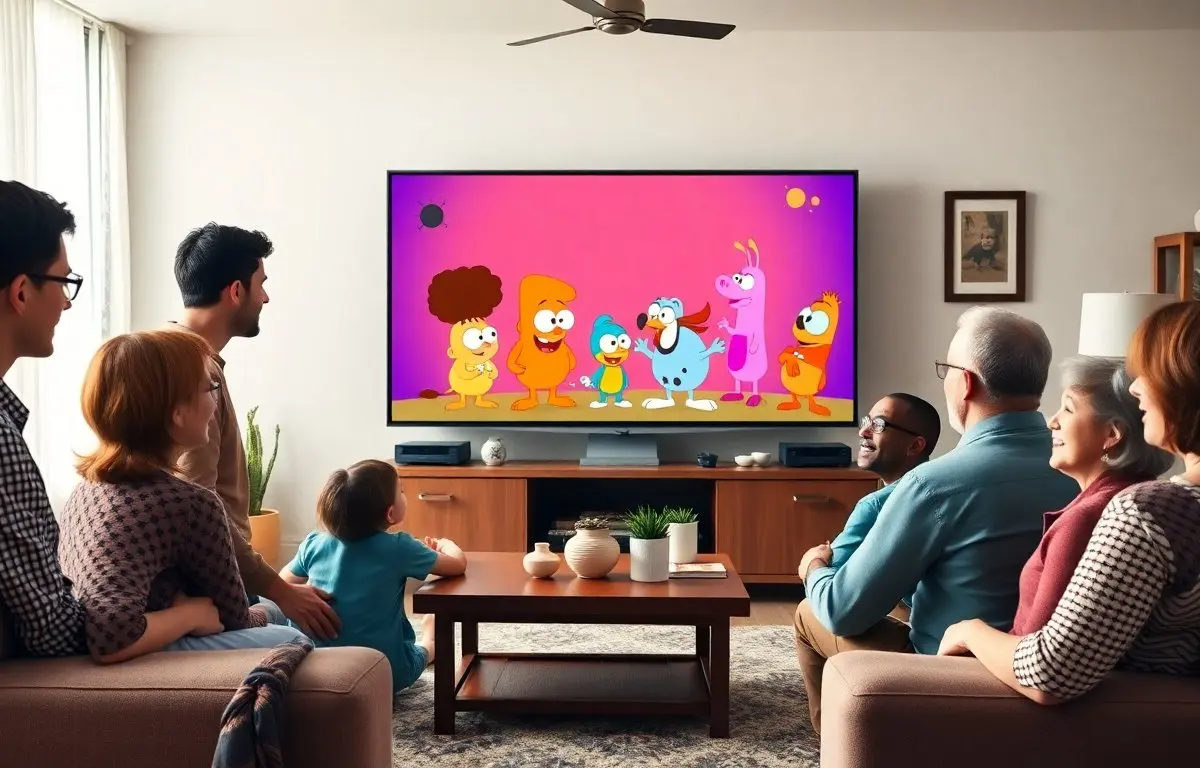
Saturday morning cartoons shaped childhood for many viewers. saturday morning cartoons gave kids a weekly ritual: a predictable two- to four-hour window when programming was tailored specifically to young audiences. Networks scheduled blocks that mixed comedy, action, and short-form education, and producers experimented with formats to hold attention across multiple segments. Families used the time for chores, breakfast, and casual gathering; for many children it was also a first exposure to serialized storytelling, recurring characters, and the idea of appointment viewing. The shows served advertisers, shaped play patterns, and launched careers for animators, writers, and voice actors; they also helped establish production pipelines and merchandising strategies that extended a program’s life beyond the broadcast hour.
Key Takeaways
- Saturday morning cartoons created a cherished weekly ritual for children, blending comedy, action, and education on weekend mornings.
- Networks heavily invested in Saturday morning cartoon blocks from the 1970s to 1990s, making them a cultural hallmark for generations of kids.
- Regulatory changes and the rise of cable and streaming services led to the decline of traditional Saturday morning cartoons by shifting viewing habits and advertising models.
- Streaming and on-demand platforms replaced appointment viewing, changing how children consume cartoons and diminishing the fixed Saturday morning schedule.
- Nostalgia for Saturday morning cartoons persists, influencing modern media through revivals, merchandising, and shaping contemporary children’s programming styles.
What Saturday Morning Cartoons Really Were And Who Watched Them
Television stations ran blocks of animated shows on weekend mornings, often beginning as early as the first hour after cartoons were allowed on the air. saturday morning cartoons aimed at children ages five to twelve but often attracted younger siblings and older viewers who enjoyed serialized plots or humor aimed at multiple age groups. Parents watched some shows with kids—either to supervise or to share in popular characters—and sometimes used the time to manage household tasks while the television provided a reliable backdrop. Kids watched in living rooms, kitchens, and bedrooms on family TVs; neighborhood rituals developed around who could host watch parties or who owned the latest toy related to a program. Boys and girls picked different favorites, but many titles reached wide audiences because the blocks were accessible on free broadcast television. Advertisers bought spots for toys, cereal, and snacks, and promotions tied to local stores or tie-in products reinforced a show’s visibility. Schools and local culture echoed show themes in playground play and fan clubs; summer sleepaway camps, birthday parties, and classroom references all reinforced the cultural footprint of these programs. Over time the phrase “saturday morning cartoons” came to mean both the schedule and the shared habit across households of tuning in together at a set time.
The Peak Era: 1970s–1990s Television Blocks
Networks invested in Saturday morning lineups from the 1970s through the 1990s, creating branded blocks that competed for kids’ attention and advertiser dollars. Ratings rose as networks produced longer, varied blocks and as morning scheduling became a strategic outlet for debuting new concepts aimed specifically at younger viewers. Syndicators and major studios competed for slots, and programming strategies ranged from anthology-style mornings with short segments to serialized hour-long action blocks. Shows mixed humor, adventure, and short lessons; producers refined pacing, cliffhangers, and recurring beats to suit the attention spans and routine of morning viewers. Children recognized mascots and theme songs instantly, and network promotion across weekdays and local affiliates helped build anticipation. The schedule became a cultural marker for generations born in that span: cartoons set the tone for weekend mornings, influenced toy aisles and magazine features, and helped launch the careers of animators, voice actors, and showrunners who would go on to shape later TV and film projects.
Iconic Shows, Genres, And Saturday Rituals
Families set alarms to catch favorite titles and built small rituals—favorite breakfast foods, designated couch spots, or trading cards laid out before the television. Classic programs ranged from slapstick comedies to superhero adventures and educational shorts; networks often mixed serialized action cartoons with stand-alone gag shows to keep the lineup varied and accessible. Toy lines, lunchbox art, and other merchandise boosted a show’s profile and created physical touchpoints that kept characters in children’s daily lives between broadcasts. Kids matched costumes and collected trading cards; clubs and fan-written newsletters circulated among peer groups. Some shows ran for decades in reruns on local stations and in syndication, giving siblings and later generations a shared catalog of episodes. The term “saturday morning cartoons” evoked theme songs, couch rituals, cereal bowls, and a shared list of must-watch programs that anchored many kids’ memories of childhood weekends.
Why Saturday Morning Cartoons Declined: Regulations, Economics, And New Platforms
Regulators changed rules for children’s programming in the 1990s, most notably through policy shifts that increased expectations for educational and informational content and limited the amount and nature of advertising directed at children. New standards required educational content and limited advertising time, which increased production complexity and sometimes reduced the profitable margin for pure entertainment cartoons. Networks faced higher production costs to meet requirements and also had to rethink how to package shows so they qualified under the new rules. Cable channels grew and offered cartoons daily, fragmenting the audience and giving advertisers more targeted venues. Advertisers shifted budgets to cable and targeted spots, and networks increasingly weighed the economics of weekend blocks against other dayparts that delivered adult audiences. Ratings for Saturday blocks fell as viewing options multiplied; the rise of video rental stores, home media, and later on-demand libraries also reduced the need to catch shows live. Together, regulation and economics—combined with changing family routines and the diversification of children’s content outlets—pushed traditional blocks to shrink and, in many markets, disappear.
How Streaming, Cable, And Changing Kids’ Habits Ended The Block
Cable channels like Nickelodeon and Cartoon Network built 24/7 schedules that made appointment viewing less essential, and streaming services later let viewers watch any episode on demand. Children switched to on-demand viewing and mobile screens, and the flexibility of watching favorites anytime undercut the fixed appeal of weekend-only lineups. Parents found apps that let kids watch selected series on tablets with parental controls, further reducing the need to curate a Saturday list from broadcast offerings. Networks lost the appointment-viewing model that defined saturday morning cartoons and producers adapted by creating seasons and formats better suited to on-demand consumption—shorter seasons, binge-friendly arcs, or evergreen episodes that play well out of sequence. The commercial ecosystem shifted too: advertisers and licensors followed audiences to platforms that offered precise targeting, viewership metrics, and cross-platform promotion. As a result, the phrase “saturday morning cartoons” increasingly functioned as nostalgic shorthand rather than a literal description of how most children experienced animated programming.
The Lasting Legacy: Nostalgia, Revivals, And Influence On Modern Media
Fans remember shows for theme songs, characters, and simple plots that were easy to revisit years later. Nostalgia fueled comic conventions, streaming reboots, and toy reissues, and platforms often mine catalog content to reach adults who grew up with those programs. Some studios revived classic titles on modern platforms or retooled legacy characters for contemporary audiences, balancing original elements with updated storytelling and production values. Creators who grew up with saturday morning cartoons now write and produce new series, bringing pacing, humor, and character archetypes honed in that era into modern children’s media. The shows influenced pacing, character archetypes, and merchandising strategies in contemporary programming—lessons about cross-platform branding, collectible tie-ins, and theme-driven advertising persist. Scholarly work links these programs to early media literacy, brand recognition, and the social rituals of shared viewing. Today the phrase “saturday morning cartoons” serves as shorthand for a style of family viewing, a business model of integrated merchandising, and a formative cultural experience that continues to shape TV, streaming, and the ways creators think about reaching young audiences.