| Moment | Supported detail | Planning use |
|---|---|---|
| The Beatles on The Ed Sullivan Show | Feb 9, 1964; close to 50% of US television viewers tuned in; the band’s first live performance on American television | Start a study of the decade here. It shows how one broadcast could introduce a band to a huge share of the country. |
| The Sound of Music | Premiered in New York City on March 2, 1965 | Use it as the mainstream musical-film counterpart to youth-driven rock when comparing tastes. |
| Star Trek | Premiered on NBC on Sept 8, 1966 | The clearest network-television anchor for a viewing list from the decade. |
| Woolworth lunch-counter sit-in | Feb 1, 1960; four college students from NC A&T sparked a national campaign | Read this before the music and fashion material if you want protest to frame the decade. |
| Apollo 11 Moon landing | July 20, 1969; Lunar Module Eagle lands on the moon | A closing date for any timeline, and a shared cultural event beyond entertainment. |
Dates and audience share come from Ohio University’s British Invasion series and a timeline of notable events.
60s pop culture was defined by youth-led change in music, fashion and protest, carried into homes by television and film. The sections that follow turn the dates above into choices about what to watch, hear and read first.
Readers who want a present-day contrast can turn to award show results on the Award Shows, Fandom and Pop Culture hub.
Effects on how people watched and listened
The clearest effect of the decade was that music and television reached people together. The Beatles gave their first live performance on American television on The Ed Sullivan Show, and another account describes that programme as the number one variety show of the era. Because the leading variety show carried the band, the British Invasion was a broadcast event as much as a record-buying one.
Chart results followed the broadcast. British groups dominated the top of the U.S. charts for several years once the invasion began in early 1964. Anyone building a playlist of the period should therefore expect American charts of the mid-decade to be full of British names, not only home-grown acts.
Which route you take depends on what you want from the decade:
- Begin with the broadcast if your interest is media change. The Sullivan appearance ties a band, a network and a national audience into a single moment.
- Begin with the charts if your interest is music. British groups dominated the top of the U.S. charts for several years.
Film and television worth watching from the decade
Music moved into cinema as well as television, and the film side of the decade is easy to trace through its scores. The Beatles are credited with film scores for A Hard Day’s Night in 1964 and Yellow Submarine in 1969, and Stanley Kubrick is listed as compiler of the music for 2001: A Space Odyssey in 1968. Those titles let a modern viewer hear the period’s music in the context it first reached cinema audiences.
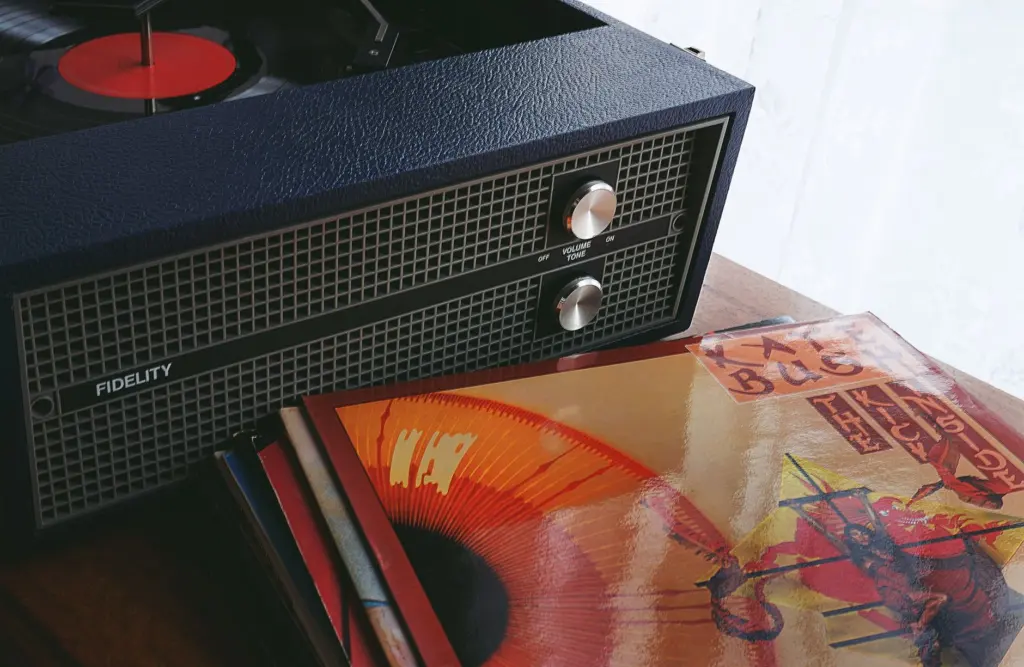
- The Beatles on screen: A Hard Day’s Night and Yellow Submarine suit viewers who want the band’s image and music in a film format, with the 1964 and 1969 release years marking the span of the decade.
- Music as the engine of a film: 2001: A Space Odyssey suits viewers curious about how an existing body of music can be assembled into a score, since Kubrick is credited as compiler.
- Television as the anchor: Star Trek is the most direct network-television entry on the timeline, and a good counterpart to the film picks for anyone mapping what ran on screens at home.
Screen culture has kept producing figures that outlast their moment. Unforgettable Icons Of Fear: Why These Horror Movie Characters Still Haunt Us follows that thread in horror, a useful next read after the 1960s picks above.
Fashion and the look of rebellion
Fashion in the decade worked as a visible statement of youth identity. Ohio University’s series on the British Invasion describes a sense of teenage rebellion with long hair, pointy boots and a unique kind of music. Treat Mod fashion as part of the same youth-led visual shift: clothing, hair and music were read together as signals of belonging.
Later in the decade, the counterculture added its own marker. Hippies grew their hair long and practiced “free love”, which places long hair in both the British Invasion look and the late-decade counterculture. That overlap matters when dating a photograph or a film scene, because hair length alone will not separate the two moods.
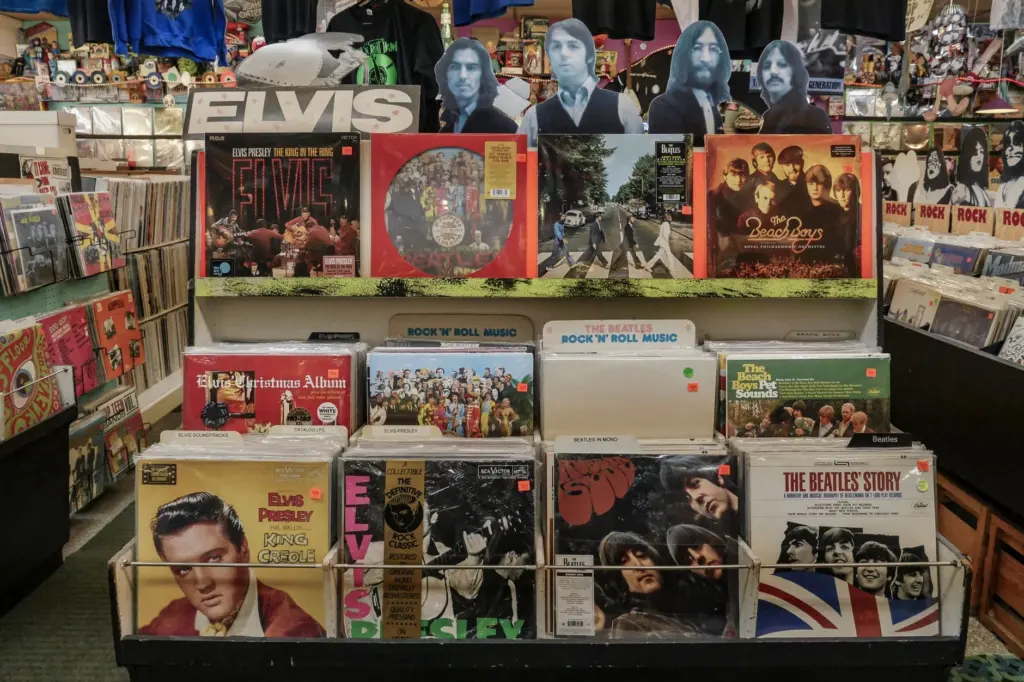
- Long hair and pointy boots point to the British Invasion era and the teenage rebellion tied to its music.
- Long hair plus free-love language points to the late-1960s counterculture, so check the surrounding context before assigning a look to one scene.
Protest and youth movements
Youth movements shaped the decade by turning local actions into national campaigns. On Feb 1, 1960, four students from NC A&T staged a sit-in at a Woolworth lunch counter, sparking a national campaign. By 1964 Congress had passed a Civil Rights Act that prohibited discrimination in public places. The timeline therefore runs from a student action at the start of the decade to a federal law within it.
For readers following the cultural side, the useful point is that protest and entertainment shared the same stage. The music, hair and clothing described above were part of the rebellion that defined the era, so a film or song from the period is best read alongside the political events that surrounded it. A sit-in and a pop broadcast are different kinds of event, but both reached a national audience.
Why the British sound changed the pop system
The mechanism behind these effects was a change in who set the template for popular music. According to Eastern Illinois University’s study of the decade’s music, the British rock sound internationalized the rock scene and provided the model for Americans to dominate international popular music. In practice, British acts first took the top of the US charts, and the model they set then shaped American pop’s reach abroad.
Film followed the same pattern of cross-influence. The scores of British composers and filmmakers reached American cinema, which is why the music and film strands of the decade are best studied together. Television amplified both, as the Sullivan broadcast shows.
Dates like these are the staple of quiz questions, and Pop Culture Trivia: Quick Quiz, Winning Strategies, and What To Study in 2026 shows how to turn a timeline into something memorable.
Frequently asked questions
Which music event opened the Summer of Love?
The 1967 Fantasy Fair in Mill Valley was one of the first in a series of music events during the Summer of Love.
When was the Stonewall Inn raid?
Police raided the Stonewall Inn, a gay bar in New York City’s Greenwich Village, on June 27, 1969, and the raid sparked protests.
Did British composers write for American cinema?
Yes. Eastern Illinois University’s study lists Lionel Bart for Oliver in 1968 and William Walton for Battle of Britain in 1969 among British contributions to American cinema.