| Character | Debut or franchise span | Signature look and trait | Planning use |
|---|---|---|---|
| Freddy Krueger | A Nightmare on Elm Street, 1984 | Burned face, striped sweater; attacks victims in their sleep | Start here if dream-based dread appeals more than a stalker chase |
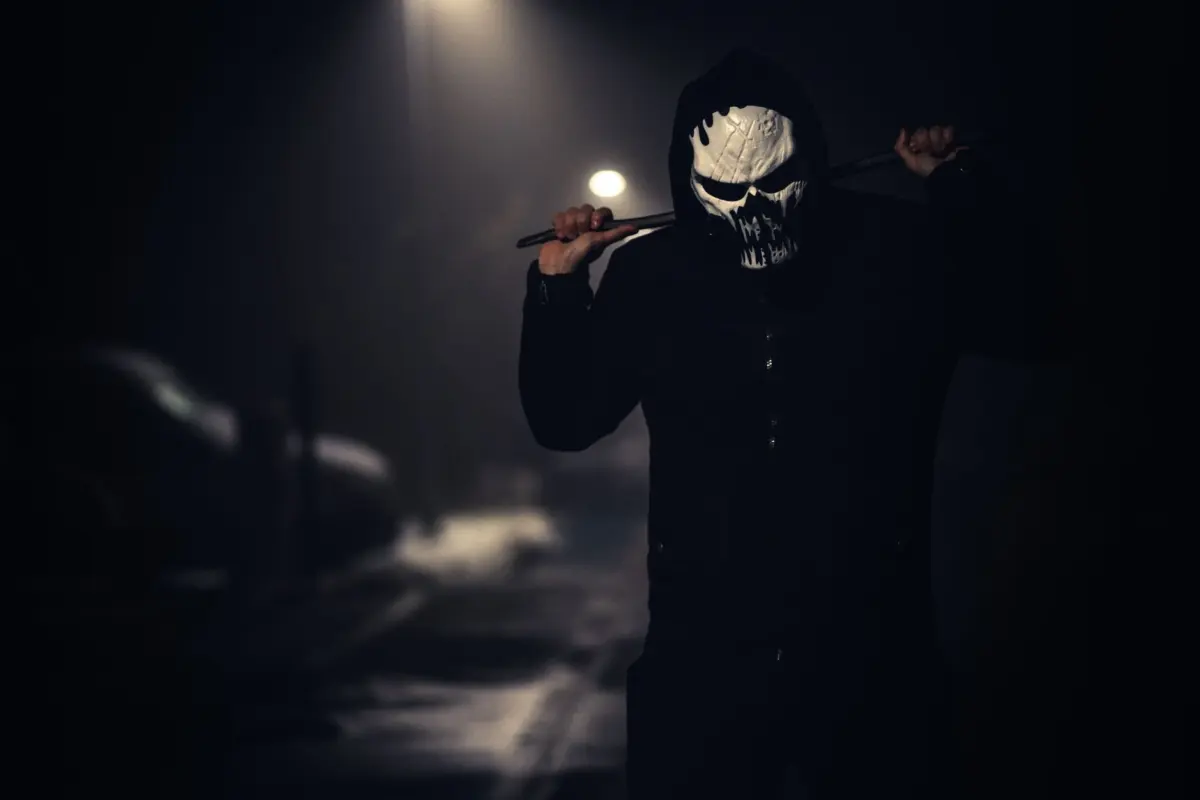
| Michael Myers | Halloween, 1978 | Blank mask, kitchen knife; a faceless embodiment of evil | Best fit for viewers who prefer slow, atmospheric menace |
| Jason Voorhees | Franchise 1980–2009; thirteen movies | Hockey mask, machete; keeps coming back | Suits a long marathon built on repetition |
| Chucky | Child’s Play franchise 1988–2024; seven films | Returns from hell after his doll body is destroyed | Suits viewers who want a franchise that keeps reinventing its villain |
| Pinhead | Hellraiser franchise 1987–2022 | Elaborate pins and costume; played by Doug Bradley for seven films | Choose for a talky, intelligent antagonist rather than a silent one |
Figures and looks in the table come from a ranked guide to seven horror characters and Collider’s ranking of horror villains.
Iconic horror movie characters last because a readable look is paired with a single, repeatable way of frightening, and the best examples, Freddy Krueger, Jason Voorhees and Michael Myers, do it in very different ways. Repeatable simplicity is the condition.
Horror icons sit inside a wider fan culture of conventions, cosplay and ranking debates. Readers who follow award show results and fandom coverage will find that broader context on the hub page.
What the traits mean in practice
A character stays in the culture when its traits can be summed up, recognised from a distance and repeated across films. Several practical consequences follow from that.
- A look often outweighs a backstory. One fan-ranked list notes that slasher villains are not known for complex backstories and that many characters made the cut simply because of a memorable mask or look. If you are judging whether a new villain will last, check whether you can describe the look in a handful of words.
- Restraint can be scarier than speed. One ranking says Michael Myers never runs, only walks, and calls that scarier somehow. A slow approach gives the audience time to dread what is coming.
- Survival makes sequels possible. The same ranking says Jason Voorhees comes back after being burned, drowned, electrocuted and frozen, and that Michael survives gunshots, explosions and fire. A villain who cannot be finished off gives a franchise somewhere to go next.
- Personality sorts the field. A retrospective on the slasher era describes Jason and Michael as very strong silent types, while Freddy stood out for his chatty ways and love of cruel jokes. If you dislike dialogue in a horror film, pick the silent ones; if you want menace with a voice, Freddy and Pinhead are the better choices.
Those traits show up differently in each of the three best-known slasher figures, which is where the comparison starts.
Freddy, Jason and Michael compared
Freddy Krueger: the voice in the dream
Freddy’s backstory is revealed in A Nightmare on Elm Street (1984), which adds layers of guilt and retribution to the character. The same source points out that he attacks when you are most vulnerable, while you are asleep. That setting makes everyday safety the target: the fear does not end when the lights go out, and it follows the viewer into bed. His burned face and striped sweater make him instantly readable, and his talkative cruelty gives him a personality that the silent slashers lack.
Jason Voorhees: the force that returns
Jason’s franchise ran from 1980 to 2009 across thirteen movies, in the words of Collider’s ranking, which describes audiences following a rampaging immortal. His hockey mask and machete are simple, and simplicity is the point: the figure reads as a single shape, and the repeated returns turn him into something closer to a recurring event than a person. He suits viewers who like escalating, repetitive threat over psychological puzzles.
Michael Myers: the blank face
In Halloween (1978), Michael serves as a faceless embodiment of evil, equipped with a blank mask and a kitchen knife. The same source notes a trade-off: without a clear motive, his terror can feel abstract. For some viewers that blankness is the whole appeal, because nothing about him can be negotiated with or explained. For others it keeps him at a distance, so a viewer who wants emotional hooks may prefer Freddy.
Pinhead, Chucky and Leatherface
Beyond the big three, three other figures show different routes to staying power: intellect, persistence and shock imagery.
Pinhead: menace with a voice
Hellraiser, directed by Clive Barker in 1987, introduced a new kind of horror icon, according to the slasher-era retrospective, which describes Pinhead as articulate, intelligent and menacing. Barker cited Christopher Lee’s portrayal of Dracula as a major influence. The design also survived pressure: the same piece says studio heads protested and wanted Pinhead to be more like his contemporaries. The franchise runs from 1987 to 2022 per Collider, which notes that the character was played most notably by Doug Bradley for seven films. A distinct character was worth defending, and the long run suggests the decision paid off.
Chucky: the doll that keeps returning
The Child’s Play franchise covers 1988 to 2024, which Collider describes as seven films, a divisive reboot and a surprisingly solid TV series. Its villain always finds his way back from hell to wreak more havoc on the living world, so destroying the doll body never ends the story. Chucky suits viewers who want a franchise that can keep reshaping its villain.
Leatherface: the mask as the message
Leatherface wears a mask of human skin and wields a chainsaw, according to the ranked guide. Those two details are enough for instant recognition, which fits the pattern that look carries a slasher villain.
Costumes and looks
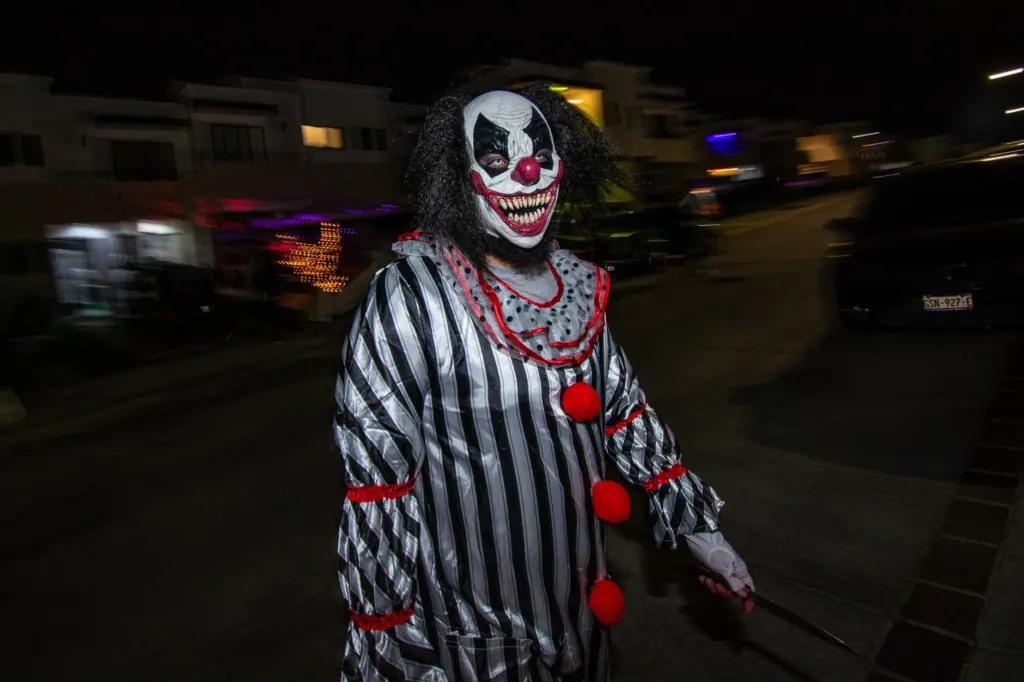
Costume is where a character’s identity is easiest to copy, and the supported details are consistent: each icon is built from a few strong items. Freddy has a burned face and striped sweater. Jason has a hockey mask and machete. Michael has a blank mask and kitchen knife. Pinhead has elaborate pins and an elaborate costume, and the retrospective on the slasher era says his Cenobite design drew on punk, S&M and Catholicism.
Several practical choices follow for anyone dressing up or designing a villain.
- Pick one anchor item. A mask or a prop does most of the work, as the fan-ranking observation that many characters made the cut for a memorable mask or look suggests.
- Add a weapon that matches the character. Machete for Jason, kitchen knife for Michael and chainsaw for Leatherface keep the costume faithful without extra detail.
- Choose elaborate only if you want it. Pinhead’s pins and costume demand more effort than a blank mask, so pick him when the build is part of the fun.
The commercial side confirms the logic: one fan-ranking entry on the character in London After Midnight says its look is undeniably iconic and has inspired countless merch, per the ranking at Screen Age Wasteland.
How these characters shaped horror
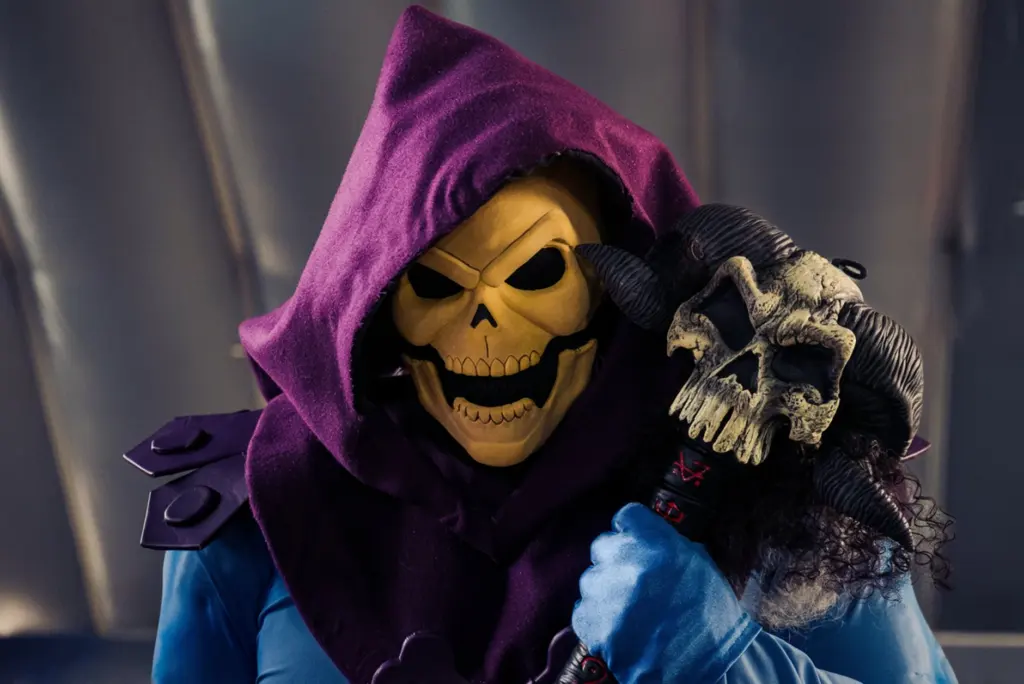
These villains shaped the genre by showing that a distinct personality could carry a franchise. Freddy was the new treat in his chatty ways, while Jason and Michael were the silent types, so audiences learned that slashers did not have to share one template. Pinhead’s survival against studio pressure points the same way: a villain that looks and sounds different can become an icon.
The idea of a lasting monster is older than the slasher. Stoker’s Dracula gave later horror a model of an elegant, menacing figure, and that influence reached Pinhead through Barker’s reading of Christopher Lee’s performance. Fans keep that legacy visible in costume, merchandise and rankings.
Lines of dialogue also stick to characters, and Freddy’s taunts are a good example of how a villain’s voice can become quotable; for the wider habit of remembering lines, see Good Movie Quotes: 30 Timeless Lines That Stick With You. The same pull of fan identity and fashion also appears in earlier decades, as 60s Pop Culture: How Music, Fashion, and Rebellion Redefined a Generation (1960–1969) shows.
Frequently asked questions
Who are the most iconic horror characters?
Freddy Krueger, Jason Voorhees and Michael Myers are the best-known slasher icons, and Pinhead, Chucky and Leatherface also recur in rankings because of their looks and long franchises.
Is Freddy Krueger dangerous outside dreams?
According to one ranking of horror villains, he is only dangerous when you are asleep, and even then his power depends on people remembering and fearing him.
Do horror icons need a backstory?
Not always. Slasher villains are not known for complex backstories, though Freddy’s, revealed in A Nightmare on Elm Street (1984), adds layers of guilt and retribution, according to the ranked guide.
Where did the tradition of horror villains begin?
Dracula, created by Bram Stoker in an 1897 novel, is an early model, and Clive Barker cited Christopher Lee’s portrayal of him as a major influence on Pinhead.