| Effect | What it looks like | Planning use |
|---|---|---|
| Films record a national mood | A Los Angeles Times list of 10 movies that capture America in times of profound change includes the 1976 film Network | Pick a film for the moment it illustrates, not only for its cast or reputation |
| Television prompts action | Network shows a newscaster urging viewers to do a wild thing | Watch it as a starting point for how broadcast media and audience behaviour connect |
| Phones carry the same impulse | Americans now holler versions of the film’s slogan through windows in real life, on phones and computers | Expect screen ideas to reappear as social behaviour |
| Fandoms drive marketing | Fandoms are described as a driving force for marketing in modern society | Brands should treat fans as participants who talk back |
| Feeds are personalised | TikTok content is open to anyone, but each algorithm is curated to the person watching | Do not assume your feed matches anyone else’s |
Figures and examples above come from a Los Angeles Times feature syndicated on AOL and a Grinnell College page on fandom culture theories.
American pop culture is the mix of films, television, music, social platforms, brands and fan communities that shapes what audiences watch, buy and repeat. Its biggest practical effect is that audiences now answer back, not just watch.
Readers who follow award show results will find the wider picture of awards, fandom and pop culture in that hub, which sits alongside this guide.
Practical consequences for audiences, fans and brands
The effects of pop culture are easiest to see in three decisions: what you watch, how you take part in a fan community, and how a brand speaks to an audience. Each choice below follows from the evidence in the table.
Choosing what to watch
The Los Angeles Times, in a feature dated June 29, 2026 and written as America turned 250, published a list of 10 must-watch movies that capture America in times of profound change. It places the 1976 film Network among the movies that illustrate frictional historical moments. The package goes beyond cinema: a headline describes how Donny Hathaway turned a soft rock cover into America’s defining song, and another points to 9 artworks in L.A. that redefine ‘American’.
The decision this supports is simple. If you want to understand a period, choose a work built around that period, then sample music and art from the same conversation. A star-driven pick may entertain you, but a film chosen for its moment tells you more about the culture around it.
Following a fandom
A Grinnell College page defines a fandom as a group of people who actively follow and engage with a form of media, and calls fandoms a type of participatory culture typically associated with media properties. It quotes Henry Jenkins (2006) saying that fandom is born of a balance between fascination and frustration. For a new fan, the lesson is that criticism and affection usually coexist. Complaining about a show you love is part of the culture, not a sign of leaving it.
The same page notes that authenticity is a crucial aspect of all fandoms through ‘gatekeeping’. If you join a community, expect other members to test how well you know the material, and expect that testing to be part of belonging. It also calls the Taylor Swift fandom one of the most common fan groups today, which shows how large a single artist’s following can be.
If your interest in celebrity culture is more playful than organised, Find Your Celebrity Look-Alike: Simple Methods, Top Tools, And Smart Tips For 2026 offers a lighter way in.
Working with brands
The Grinnell page states that fandoms are a driving force for marketing in modern society. It also quotes Jenkins (2007) describing the old ideal consumer as someone who watched television, bought products and didn’t talk back. A brand that still treats a fan base as that passive consumer is working from the model he called old. The better choice is to treat fans as participants whose reactions, in both directions, become part of the brand’s public story.
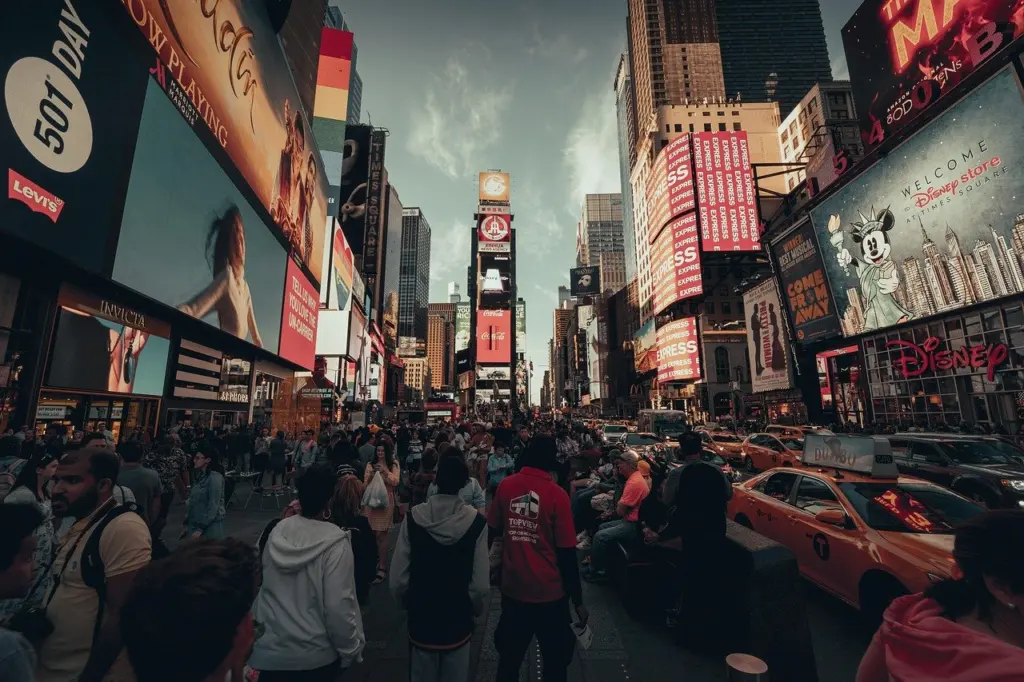
Hollywood and television as a record of national mood
The Los Angeles Times frames the arts as a place people turn to in uncertain moments, saying the arts have the power to free buried desires, soothe souls and cross divides. That is a qualitative claim rather than a measured one, but it explains why Hollywood and television feature in lists about national change.
Network is the clearest example in the supplied material. In the film, a television newscaster prompts his viewers to do a wild thing. The Times calls the scene prescient and ties it to 1976, the year of America’s bicentennial. By the semiquincentennial, it says, Americans holler versions of that slogan through windows in real life, just on phones and computers.
This is what makes the link between a screen and a culture shift concrete. A satirical story about broadcast television anticipated behaviour that now plays out on social platforms. The practical reading: when you watch an older film about media, ask which of its ideas you recognise in your own feed. It suits readers who want a first film for understanding how television and public mood interact, though one title cannot stand for the whole industry.
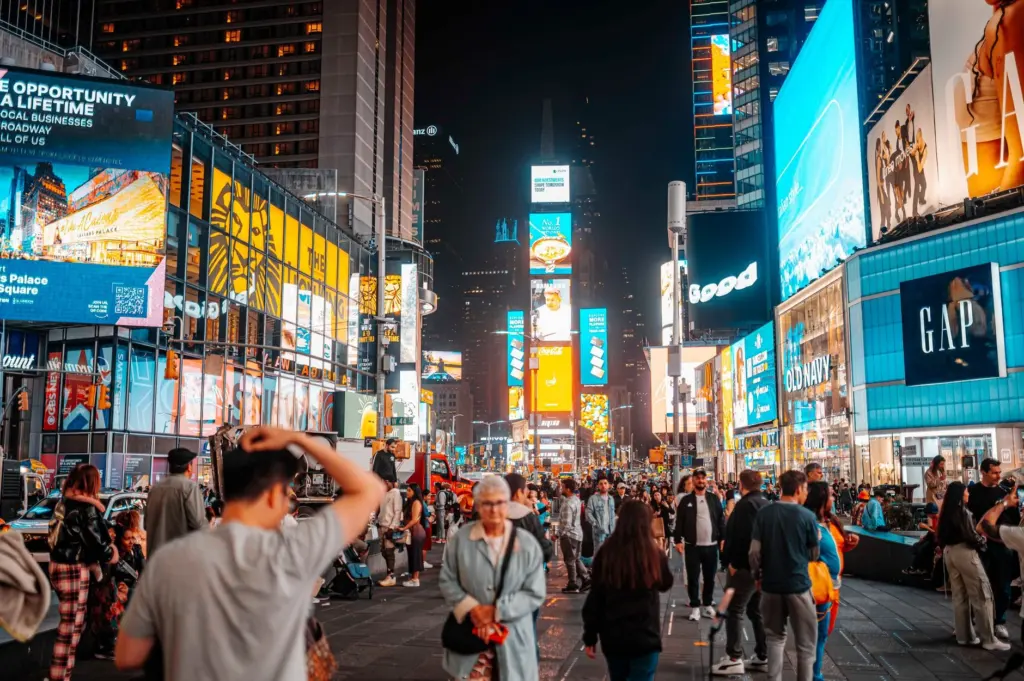
The pillars of American pop culture
The entities that hold American pop culture together overlap. A single artist, show or platform often belongs to several at once.
- Hollywood: film supplies the shared stories and the lists, such as the Times selection of movies that mark moments of change.
- Television: broadcast and series storytelling shape habits, from Network’s newscaster to the Jenkins picture of an audience that once watched and bought without talking back.
- Music: songs and artists carry identity. The Times treats one cover as America’s defining song, and the Taylor Swift fandom shows how music and fan community merge. For the sound, style and fan side in depth, read Pop Music Culture: How Sound, Style, and Fans Shape Global Trends in 2026.
- Social media: platforms such as TikTok host content for millions of fandoms and subcultures, and they turn viewers into participants.
- Brands: companies attach themselves to fan energy, since fandoms act as a driving force for marketing.
- Fandoms: organised audiences give the other pillars their emotional weight and their arguments.
The useful takeaway is that no pillar works alone. A music fandom is a social media community, and a film that anticipates online behaviour is also a comment on television. Readers who follow one pillar will learn more by checking how it feeds the others.
How American pop culture spread globally
The supplied evidence points to fan communities and platforms as the route, not a single export channel. The Grinnell page says fans from all over the world can bond over their love for a common artist. That means a fan in one country and a fan in another can share a reference point without ever being in the same place.
TikTok shows the pattern. Its content is open for anyone to engage with, yet each algorithm is curated to the person watching, and it is home to content for millions of fandoms and subcultures, in the page’s words. Global spread is therefore not uniform. Two viewers of the same platform can meet quite different slices of pop culture. If you are trying to judge what is popular, a single feed is a weak guide, so compare across communities before generalising.
Timeline of milestones
The dates that anchor this discussion run from a satirical film to the 250th anniversary, with fan theory in between.
- 1976: Network arrives in America’s bicentennial year, with its newscaster prompting viewers to act, according to the Los Angeles Times feature.
- 2006: Henry Jenkins writes that fandom is born of a balance between fascination and frustration, as quoted on the Grinnell College fandom page.
- 2007: Jenkins contrasts the old ideal consumer, who watched television, bought products and didn’t talk back, with today’s participants.
- 2026: The semiquincentennial, when the Times publishes its list of 10 must-watch movies and observes that Americans now holler versions of Network’s slogan on phones and computers.
Read together, the dates show a shift in where the audience’s voice is heard: from a film imagining viewers shouting, to theory describing consumers who talk back, to an anniversary year in which they do so online.
Frequently asked questions
What is American pop culture?
American pop culture is the shared stock of films, television, music, platforms and brands that people follow and talk about. It is participatory, because fandoms actively follow and engage with media properties rather than only consuming them.
How did American pop culture spread globally?
Online fan communities carry much of it. Fans from all over the world bond over a common artist, and platforms like TikTok host millions of fandoms and subcultures, with feeds tailored to each viewer.
What are the pillars of American pop culture?
The main ones are Hollywood, television, music, social media, brands and fandoms. They overlap, so a fan community around an artist belongs to music, social media and fandom at once.
Why does a 1976 film appear in a 2026 culture list?
The Los Angeles Times includes Network because it illustrates a frictional historical moment and, in the paper’s view, anticipated how Americans now shout slogans through phones and computers.