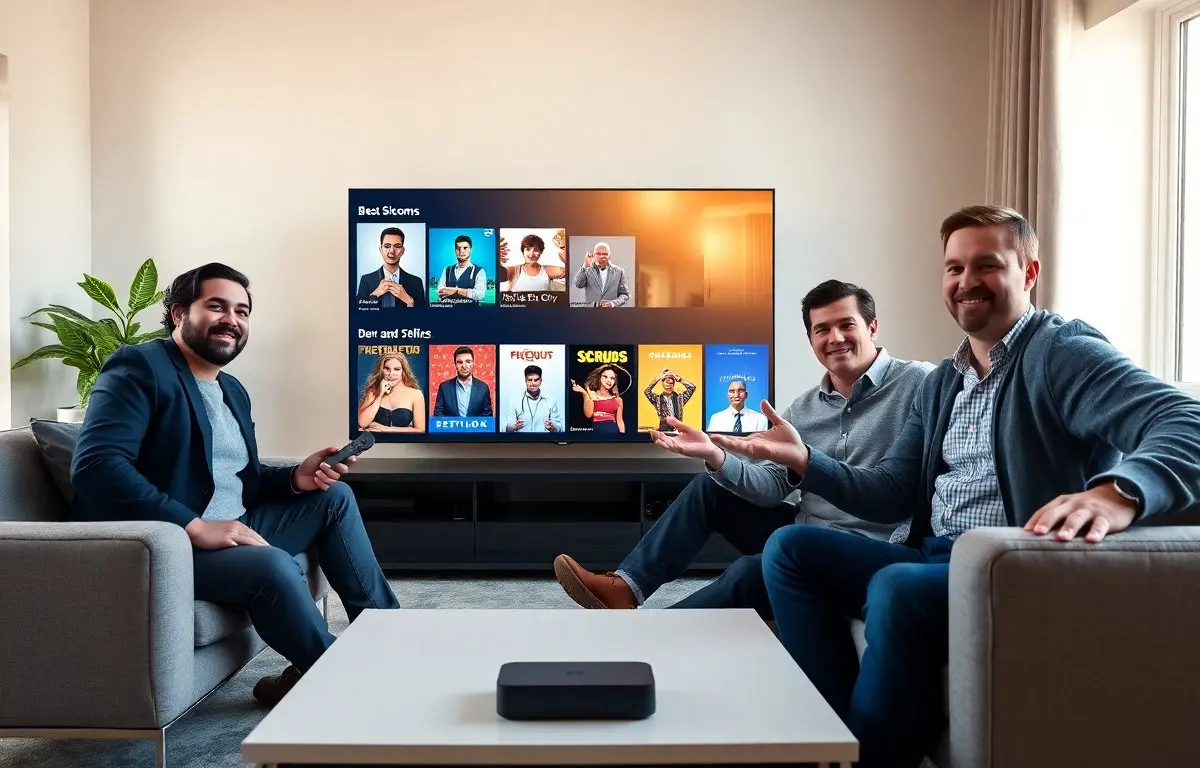
The best sitcoms of the 2000s list names the decade’s top TV comedies. It ranks shows by influence, laughs, and staying power. It notes where each show aired and what made it stand out. It helps readers pick a show to stream or revisit. It keeps focus on shows that shaped comedy from 2000 to 2009. Because the decade bridged older network models and newer on-demand viewing habits, the best sitcoms of the 2000s often doubled as cultural touchstones and pilot studies for television’s future.
Key Takeaways
- The best sitcoms of the 2000s combined strong characters with innovative formats, shaping mainstream and cable comedy alike.
- Network hits like The Office and Friends set lasting standards in tone and character-driven humor that still resonate today.
- Cable comedies embraced riskier content and unique storytelling, influencing future streaming models and cult followings.
- These sitcoms introduced new comedic styles, such as mockumentary and serialized jokes, changing how audiences engage with TV comedy.
- The best sitcoms of the 2000s remain popular in streaming catalogs, proving their enduring influence and appeal across generations.
Top 10 Classic Network Sitcoms (2000–2009)
The best sitcoms of the 2000s include many network hits that shaped mainstream comedy. Friends ended in 2004, and it kept viewers laughing with strong character work and steady ratings. The Office (US) premiered in 2005, and it changed sitcom tone with deadpan delivery and mockumentary style. Scrubs mixed humor and heart, and it kept a devoted audience with visual gags and emotional moments. Everybody Loves Raymond ran its final seasons early in the decade, and it delivered solid family-based jokes that many viewers still quote.
Frasier finished its run in 2004, and it kept a legacy of smart dialogue. Will & Grace revived interest in character-driven sitcoms and it influenced later ensemble shows. Malcolm in the Middle offered a chaotic family voice, and it used single-camera shooting without laugh tracks. That 70s Show gave a teen perspective and it launched several actors into mainstream fame. My Name Is Earl offered a quirky moral premise and it rewarded viewers with serialized payoffs. Two and a Half Men provided broad sitcom riffs and strong ratings that advertisers liked.
Beyond those marquee titles, the network side of the decade produced a range of formats: multi-camera sitcoms with live audiences, single-camera comedies that looked cinematic, and hybrid shows that borrowed elements from drama. The best sitcoms of the 2000s tended to share clear traits—memorable cores of characters, recurring story beats, and episodic structures that made them easy to drop into and rewatch. Writers used catchphrases, running gags, and character arcs to build both immediate laughs and longer emotional investments.
For viewers deciding what to stream now, the best sitcoms of the 2000s offer different experiences: comfort-viewing through familiar sitcom rhythms, sharper satire that rewards attention, or tonal blends that move between comedy and poignancy. Many of these shows also launched actors and writers who continued to shape TV comedy in the 2010s and beyond, so watching them provides context for later trends and series.
Top 10 Cable, Cult And Streaming-Forward Comedies
The best sitcoms of the 2000s also include cable and cult hits that changed taste and distribution. Arrested Development premiered in 2003, and it set a new bar for dense jokes and callbacks. It used layered writing that rewarded repeat viewings. Curb Your Enthusiasm used improvised dialogue, and it let a single performer drive awkward, tense comedy. Sex and the City ended in 2004, and it shaped adult comedy on premium cable with frank talk and fashion-forward visuals.
Gilmore Girls kept a fast-paced, witty banter that fans still love. The Sopranos mixed drama and dark comedy, and it blurred genre lines in a way that influenced later series. Flight of the Conchords offered deadpan musical sketches, and it found a niche fan base that grew with streaming. It’s Always Sunny in Philadelphia began in 2005, and it pushed transgressive humor on a small budget to long-term cult status. Battlestar Galactica reimagined serialized drama with occasional comic relief, and it showed cable could host complex genre work.
Cable and emerging online platforms gave creators room to take risks the networks rarely allowed. The best sitcoms of the 2000s on cable experimented with structure, voice, and subject matter—whether leaning into serialized storytelling or embracing dark, character-led satire. These shows cultivated intense, participatory fan communities, which made them attractive properties for early streaming services looking to build dedicated subscriber bases.
Many cable comedies from the decade are notable for how they aged: some grew in esteem as later audiences caught up on streaming, others retained a cult feel that made them taste-makers for new creators. Together with the network hits, these cable and niche shows helped make the 2000s a laboratory for what modern TV comedy could be.
Why These Shows Still Matter: Influence, Tone, And Longevity
The best sitcoms of the 2000s still matter because they changed how people watch TV. They introduced new formats, and they proved that audiences would follow unique voices. They shifted comedy toward character-driven plots and serialized jokes. They helped talent build long careers, and they influenced writers who work today.
The best sitcoms of the 2000s also shaped streaming catalogs. They fed demand for binge watching, and they taught services which shows attract subscribers. They still earn syndication fees, and they still draw ad dollars in reruns. They gave networks templates for casting, episode length, and joke pacing.
Tone matters across these shows. Some leaned on broad humor, and others used subtle irony. Some mixed drama and comedy, and some stuck to tight, laugh-based beats. This variety helped the decade stay fresh. Long-term fans still quote lines, and new viewers still discover the shows through recommendations. The shows keep appearing in best-of lists because they balanced clear voice and audience reach. They proved simple concepts can grow into lasting properties when the cast and writing align.
Practically, understanding why the best sitcoms of the 2000s remain relevant helps viewers and creators alike. For viewers, it clarifies what to expect from a rewatch and why certain shows still land culturally. For creators and industry observers, these sitcoms map the transition from appointment TV to on-demand viewing, showing how format innovations—mockumentary framing, single-camera production, serialized arcs—moved from experimental to mainstream. That legacy is why these shows continue to be recommended, studied, and streamed.