A viewer wants a series tonight without a subscription or a risky pop-up site. The legal free anime streaming sites that fit are ad-supported services such as Crunchyroll’s free tier, Tubi, Pluto TV and RetroCrush, plus official YouTube channels.
Free access costs you ads and a catalog that shifts over time, not money. If you later weigh paying for more, our overview of the best streaming service options is the place to compare paid choices.
Why legal free anime is ad-supported
Legal free anime exists because advertisers pay for it. One legal-streaming roundup from Online Threat Alerts notes that these services rely on ads to make a profit, which is why they can skip a viewing fee. The same piece describes Tubi as part of Tubi Media Group, a division of Fox Corporation that relies on ads to keep its content free, and Pluto TV as a Paramount-owned service with an on-demand area and a live section.
That ownership matters for safety. A free service run by a large media company has a corporate parent, a licensing relationship with rights holders and a reason to keep its player clean. A site with no visible owner and no licensing has none of these, and it makes money some other way. The next sections show how to tell the two apart.
Free anime services at a glance
The table compares the main legal free options on what you get, where they work and what to expect. Use it to match a service to what you want to watch before you sign up for anything.
| Service | What the free tier offers | Devices and region | Planning use |
|---|---|---|---|
| Crunchyroll | Subbed and dubbed anime, with a catalog limited compared to the paid version | Not stated here | Start here for dubbed and subbed choices, and expect some titles to sit behind the paid tier |
| Tubi | Ad-supported; occasional commercials during movies and episodes instead of a monthly fee; basic viewing does not need an account; titles can appear or disappear as licensing changes | Apps for phones and smart TVs | Good for casual, no-signup viewing; check that a show is still listed before you plan a binge |
| Pluto TV | On-demand streaming combined with hundreds of free live TV channels across the whole service | Works on many streaming devices | Suits viewers who like a lean-back, TV-style experience as well as on-demand |
| RetroCrush | Older anime, with many shows popular until the early 2000s; some content is free and ad-supported, and some may be premium | Available in North American countries; across multiple devices | Best for classic series; outside North America it may not be available |
| Official YouTube channels | Selected full episodes uploaded by studios and portals | Availability varies by title, channel and region | A supplement for particular shows, not a full library |
Figures and descriptions come from Online Threat Alerts and Tech Baked.
The practical reading is simple. If you want classic series, begin with RetroCrush. If you want a mix of subbed and dubbed current-style anime, begin with Crunchyroll’s free tier. If you want to press play with no account, Tubi is the lowest-friction choice. Because catalogs rotate, check several services for the same title rather than assuming one will carry it.
Common misunderstandings about free anime
- “Free means pirated.” Not on the services above. Tubi sits under Fox Corporation and Pluto TV under Paramount, and both fund free viewing with advertising rather than a fee.
- “If it plays, it must be fine.” A site can stream video and still be unsafe. Unofficial anime sites frequently change domains and can expose visitors to intrusive ads, according to Tech Baked, and doubtful sites can damage devices or steal personal data, as the Online Threat Alerts roundup warns.
- “Free has everything the paid tier has.” It does not. Crunchyroll’s free catalog is limited compared with the paid version, and Tech Baked notes that many free anime platforms have moved their best content behind subscriptions.
- “A title I saw once will stay put.” Anime catalogs and licensing rights change frequently, and on Tubi shows can appear or disappear as licensing agreements change. If you love a series, watch it sooner rather than later.
- “Everything on YouTube is official.” It is not. A free-anime guide from GWW admits it can be hard to tell whether some uploads are legal, so the channel behind the upload decides.
- “A free service is the same everywhere.” Region changes the answer. RetroCrush is described as available in North American countries, and YouTube availability varies between titles, channels and regions.
Each of these misunderstandings leads to the same habit: judge the site, not the price. The following checks make that habit concrete.
Safety checks before you press play
Signs a site is not worth the risk
Leave a site when it behaves badly, however good its catalog looks. Tech Baked lists intrusive ads, redirects and suspicious downloads as the typical exposure from unofficial anime sites. A legal service never needs you to install a file just to watch an episode, so a download prompt is a reason to close the tab.
Fake sites are also a problem in themselves. An iTechHacks list of free anime sites points out that there is so much fake material online that real sites are hard to find. A domain that resembles a famous service is not proof of anything. Reach a service by the name of its owner, such as the apps for Tubi or Pluto TV, rather than by following a link from an unfamiliar page.
Checking YouTube uploads
Some studios and portals upload episodes of selected projects to their own YouTube channels, which makes YouTube a legitimate source for certain series. Tech Baked advises checking that the uploader is an official studio, publisher, distributor or franchise owner. A channel that re-uploads many unrelated shows with no clear rights holder fails that test. Availability also varies by title and region, so a channel that works for one viewer may not work for another.
What a trustworthy service looks like
Use the table above as a baseline. A trustworthy service has a named owner, a clear model (ads, a premium tier or both), apps for common devices and a catalog it admits will rotate. Crunchyroll, for instance, is open about its premium subscriptions that get rid of ads, according to GWW, and RetroCrush distinguishes its free ad-supported content from premium material. When a site promises everything for free with no visible owner, treat that as the warning sign.
Limits of free services and how to work around them
Free tiers share several limits, and most are manageable once you expect them.
- Ads. Tubi shows occasional commercials during movies and episodes, and GWW notes that some Crunchyroll free titles carry ads. Premium removes them, so decide whether the ads or a fee is the better trade for a series you care about.
- A narrower library. Crunchyroll’s free catalog is smaller than its paid one, and a free service may keep its best content behind a subscription. If a title is missing, try another free service before paying.
- Changing licenses. A show can leave Tubi when its licensing agreement changes, so do not build a watch plan around one platform.
- Region and device gaps. RetroCrush is described for North American countries, and YouTube varies by region. Check that your location and device are covered before you invest time in a series.
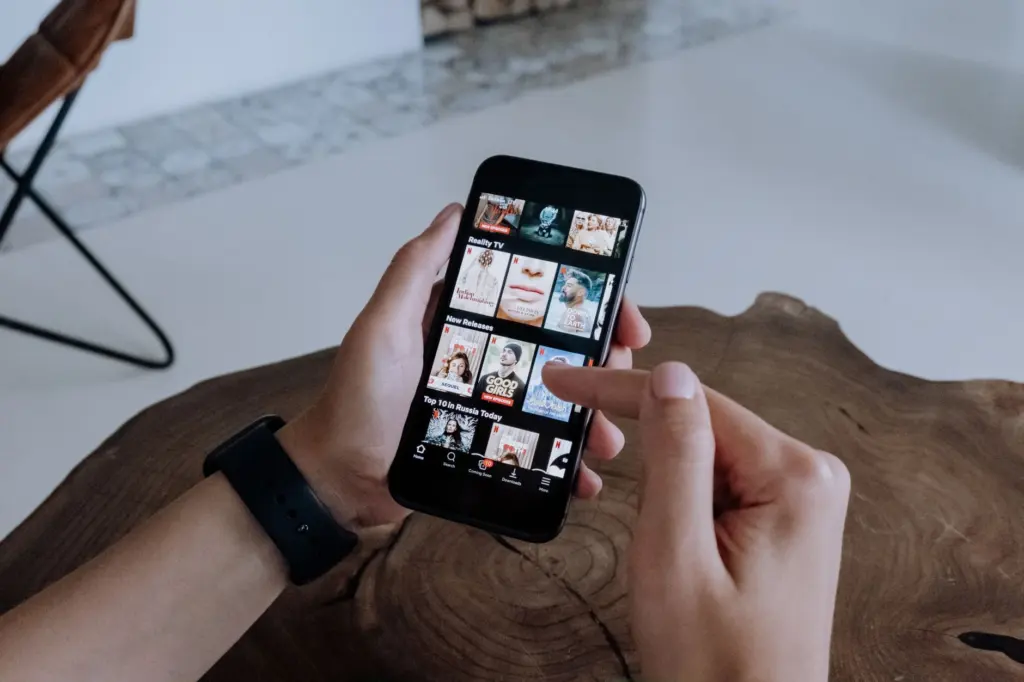
For day-to-day use, a phone or smart TV app is the simplest route. Tubi offers apps for phones and smart TVs and does not necessarily require an account for basic viewing, while Pluto TV works on many streaming devices and RetroCrush is available across multiple devices. An account is worth creating only if a service makes it optional to save your place, so skip signups that demand more than an email address.

Where to go next
Free anime is one slice of a larger shift in how people watch. For wider background on streaming services, read From Dial-Up To Dominance: The Complete History Of Streaming Services (2026 Snapshot). If you also want films without paying, see Free Legal Movie Streaming: Where To Watch Movies Legally For Free in 2026, and browse more guides in Streaming & Digital Media.
Frequently asked questions
| Question | Answer |
|---|---|
| Where can I watch anime free and legally? | Use Crunchyroll’s free tier, Tubi, Pluto TV or RetroCrush, or official studio and portal channels on YouTube. Each is funded by ads or a premium tier, and each has a catalog that can change. |
| How do I tell if an anime site is safe? | Look for a named owner and an official app, and avoid sites with redirects, intrusive ads or download prompts. On YouTube, confirm the uploader is an official studio, publisher, distributor or franchise owner. |
| What limits do free anime services have? | Expect ads, a smaller catalog than paid tiers, titles that come and go with licensing, and region or device gaps. |
| Do I need an account to watch on Tubi? | Not necessarily. Tech Baked says basic viewing does not require one. |